
On Equilibrium
The stillness that’s responsible for the chaos

Everything we value depends on a balance we likely never even noticed.
I came down with a fever last month; nothing crazy, just a few degrees above normal.
But those few degrees wrecked me. I couldn’t think straight. My body ached. I was basically useless for two days.
Lying there, sweating through the sheets, I thought: this is just a few degrees. A tiny shift in temperature. And it’s enough to wipe me out completely.
That is when I started thinking about equilibrium.
Equilibrium may be the most underrated concept out there.
Balance !
Not work-life balance or eating balanced meals or any of that.
I mean the actual physics of it. The state where opposing forces are equal, where systems stay stable, where things hold together instead of falling apart.
It’s underneath everything: your body temperature; the oxygen in the air; the pH of our blood; the water cycle; gravity; predator-prey ratio; the stability of our relationships.
And we don’t notice it until it breaks.
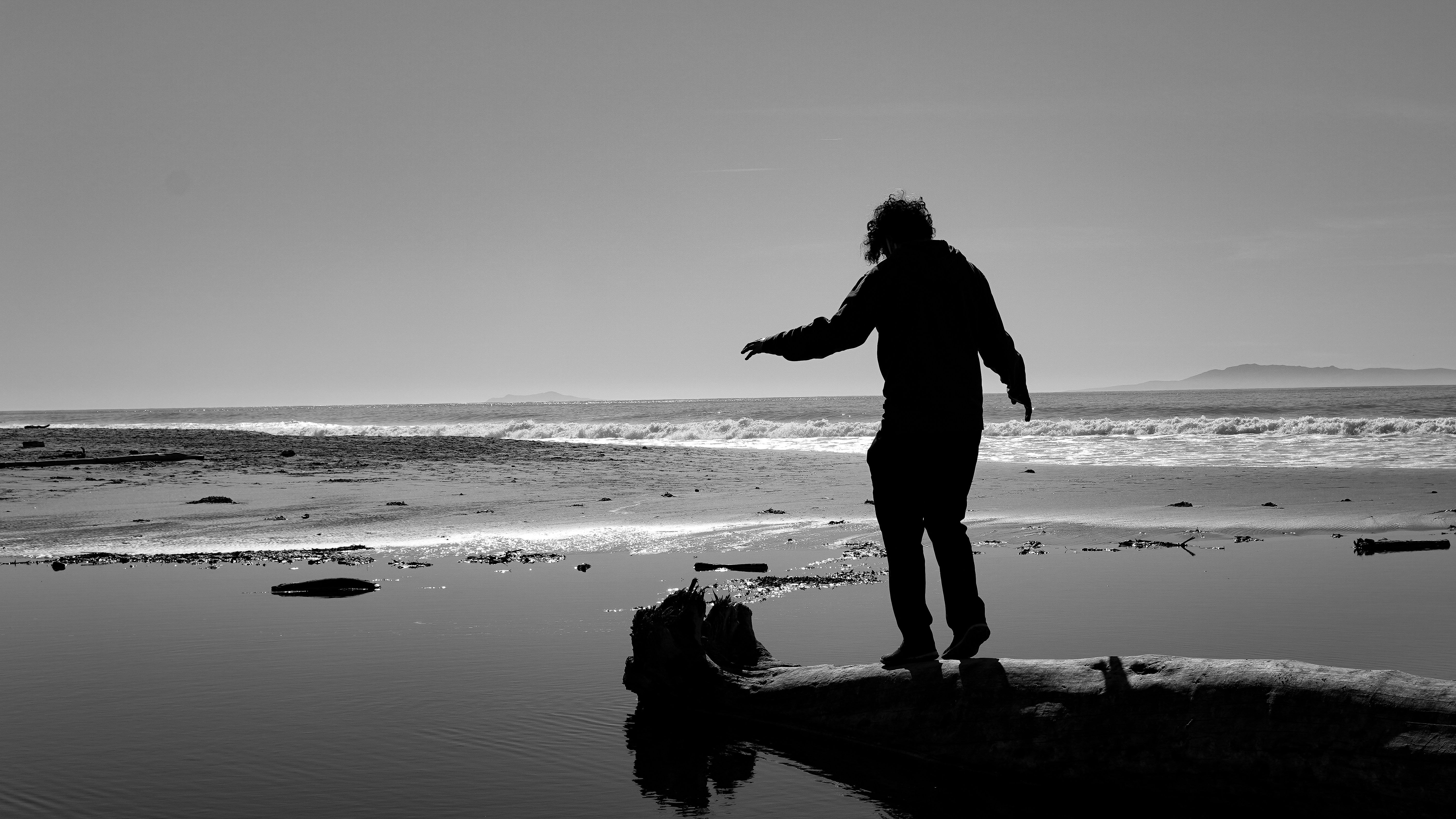
What hits me is our obsession with extremes.
Extreme performance.
Extreme growth.
Extreme results.
We celebrate people who push past limits. We love excess. More is better: faster is better. The person who sleeps four hours and works sixteen gets featured in magazines. Or the person who sleeps 10 hrs, makes to everyone’s instagram list for their zen flaunt.
But everything that really keeps us alive is about equilibrium. Not maximization. Not extremes. Just the right amount, steady, adjusted all the time.
Our body isn’t trying to max out anything; it’s trying to keep everything in that tiny range. Too much will kill. Too little will kill too. The magic is in the middle. The magic is staying there.
I have been looking for this equilibrium everywhere since that fever, and once you see it you cannot unsee it.
Rain: We think of it as weather. But rain is about equilibrium in action. Water evaporates, rises in the air, condenses again, falls. It repeats itself. It stops, and the balance breaks; everything dies. We don’t even realize it because it simply works, whereas we realize it when there’s drought or flood. When the balance fails.
The economy: people argue about growth rates and policies. But beneath it all, there are balances that must hold. Supply and demand. Savings and spending. Production and consumption. When these get too far out of balance, you get crashes. Recessions. The whole thing falls apart.
Relationships: I’ve been in friendships which started off with crazy, intense. Then burning out. Ones that lasted were ones finding equilibrium. Give and take in roughly equal measure. Space and closeness in the right proportions. Not stagnant. But steady.
Equilibrium isn’t passive.
When I first thought about it, I imagined that balance was a kind of stillness. A scale with equal weights, frozen. That’s not how living systems work.
Your body maintains it at 37 degrees Celsius through constant activity: the sweating when hot, the shivering when cold, the burning of energy every second to stay in that tight band. It looks stable from the outside, but inside, it is nonstop work.
This may be the most underrated thing about balance: It requires energy. It needs constant readjustment. The systems that appear balanced are, in reality, constantly striving to remain that way.
We stop tending to it, We don’t stay balanced. We drift.
I keep thinking about why we ignore this.
Part of it is that equilibrium is invisible when it’s working. We don’t notice our body temperature when it’s normal. We don’t think about oxygen levels when we’re breathing fine. We don’t appreciate a steady relationship until we’re in a shaky one.
Change vs Stillness
We’re wired to notice change, not stability. The things that stay the same fade into the background. But the things that stay the same are often what keep us alive.
That’s almost tragic. It is the most important systems that we take for granted. Until they break.
I would like to apply this to my own life, and it is uncomfortable.
But when I actually look back at my real patterns, the times that I’ve been most happy weren’t the peaks; they were the places of stability. It was when my health was stable, not when I was peaking in it. It was when my work was sustainable, not when I was sprinting. It was when my relationships were calm, not dramatic.
I just keep chasing extremes, and then crashing. And then needing to recover. And then chase again.
What if the chasing is the problem?
There’s a version of this that sounds like giving up. Like settling. Like being mediocre.
I don’t think that’s right (atleast for me). But I am not sure how to say the difference.
Maybe it’s this: equilibrium isn’t about doing less. It’s about sustainability. A system in equilibrium can run forever. A system out of balance is borrowing from somewhere. Eventually, the debt comes due.
You can sprint for a while. You can sleep four hours for a while. You can neglect your relationships for a while. But you’re running a balance down. And if you don’t restore equilibrium, the system fails.
People who look like they’re always at extremes, I think they’ve found equilibria we don’t see. They recover in ways we don’t notice. Or they’re paying costs we don’t see yet. Or they are building up a debt which no one knows about.
Here’s what I keep coming back to.
Nature doesn’t strive for infinite growth. Trees stop growing when they’re big enough. Ecosystems don’t maximize; they stabilize. Populations rise and fall within ranges. Everything living seems to be in pursuit of equilibrium, not infinity.
Infinity is a myth
Only humans have invented endless growth. Endless more. Endless improvement. We’ve built whole economies on the idea that next year should be bigger than this year, forever.
I wonder if we’ve got it wrong. Not morally, but physically. A misunderstanding of how systems actually work.
Because nothing in nature does what we’re trying to do. And nature has been running solid systems for billions of years.
I don’t want to over think this. I’m not saying we should all chase some perfect balance and stop pushing. That sounds nice in theory, and I don’t think I could do it anyway.
I am still figuring it out
But I’m starting to wonder if I have had my priorities in reverse. Have I treated stability as boring and extremes as exciting.
But stability is what lets everything else happen. You can’t think clearly with a fever. You can’t create when you’re exhausted. You can’t love well when you’re depleted. Maybe equilibrium isn’t the absence of excellence, but maybe it’s its foundation.
In two days, the fever broke. I was back to normal. Didn’t even think about my temperature. That’s the thing about equilibrium. When it comes back, it disappears. We stop noticing it. We go back to taking it for granted. I’m trying not to. I’m trying to stay aware of all the balances that are holding, quietly, all the time. The ones in my body. The ones in my relationships. The ones in how I work and rest and push and recover. Not because noticing will stop them from breaking. Things break sometimes. Equilibrium fails. But because I want to stop treating stability as the boring thing that happens between the adventures.
Perhaps stability is the point. Perhaps the adventures happen because you have a stable base to launch from. I still don’t have this figured out.
Still, I feel a tug toward more, toward extremes, toward the next peak. But I’m suspicious of that pull now in a way I wasn’t before. When I catch myself getting ready to burn something down for the short-term gain, I try to ask: what equilibrium am I disturbing, what balance am I drawing from, what debt am I taking on? Sometimes it’s worth it. Sometimes the disruption leads somewhere important. A lot of times, I think, it isn’t.
Often the equilibrium was the valuable thing. And I was about to throw it away without even realizing what I had.
But more often I just confused about these things.